


Refine your search

Free Cancellation
Book your activity worry-free!
Price
Categories
Duration
Time

Select Your Experience







Skydiving in Japan
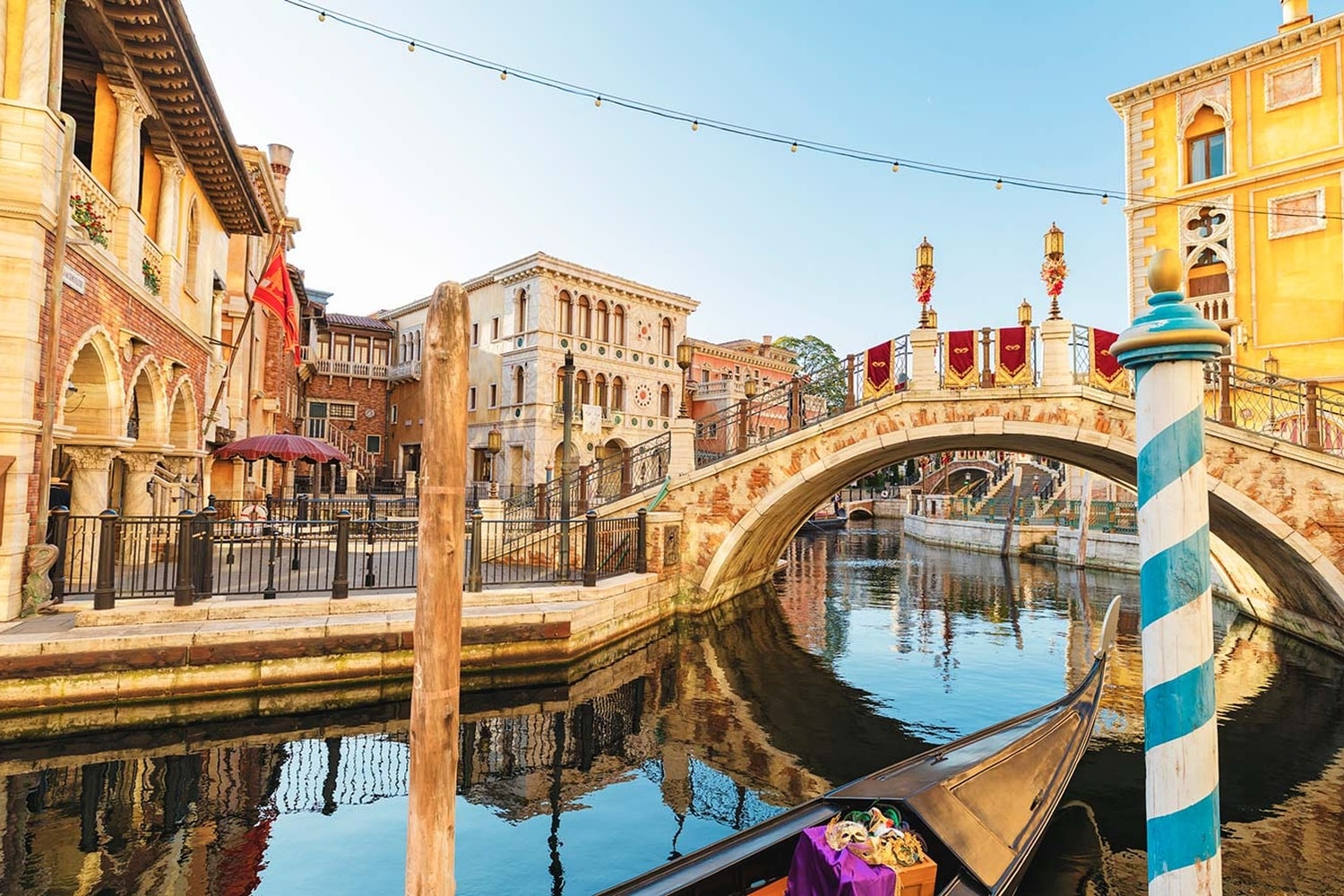
Tokyo DisneySea
Universal Studios Japan
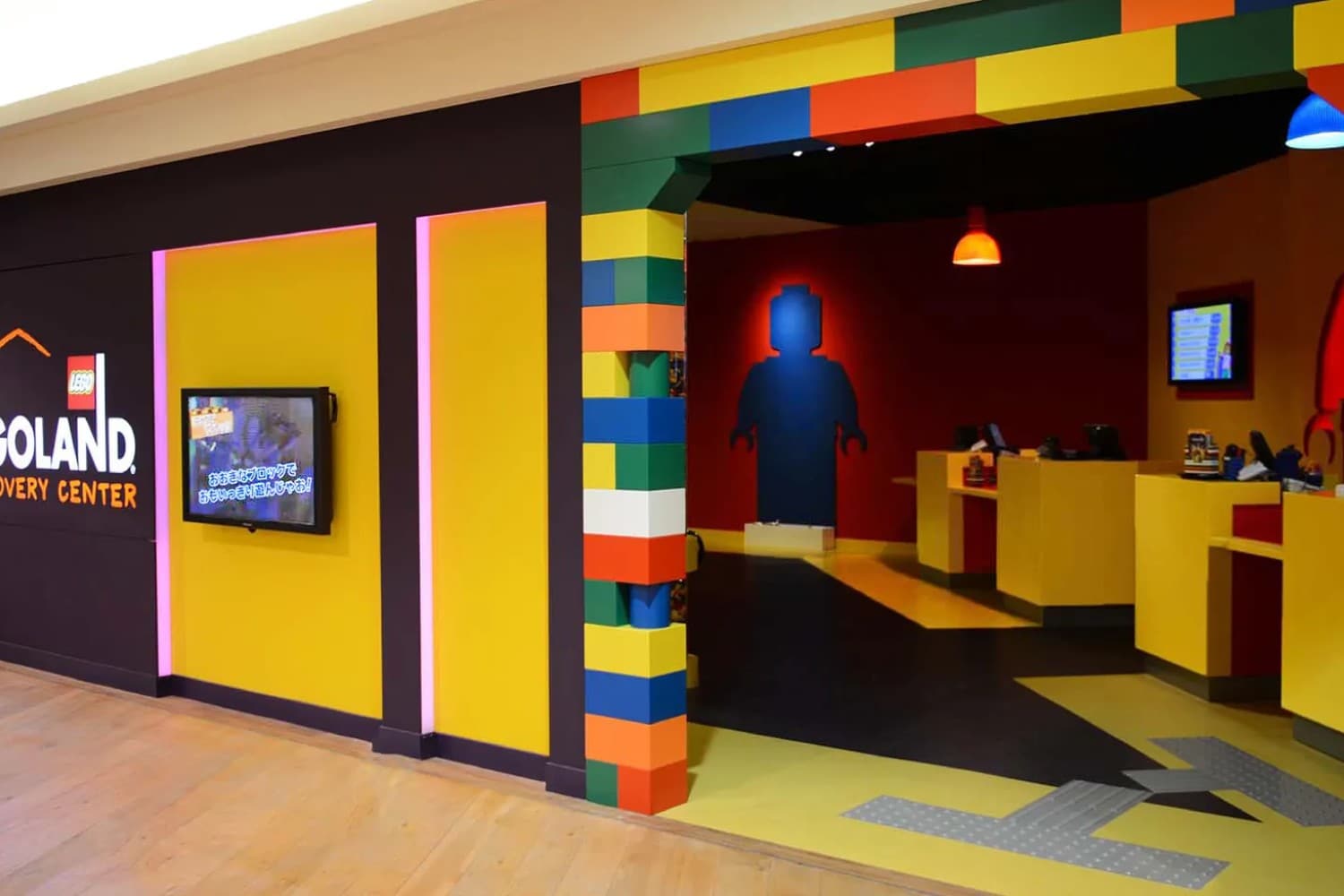
LEGOLAND Discovery Center Tokyo
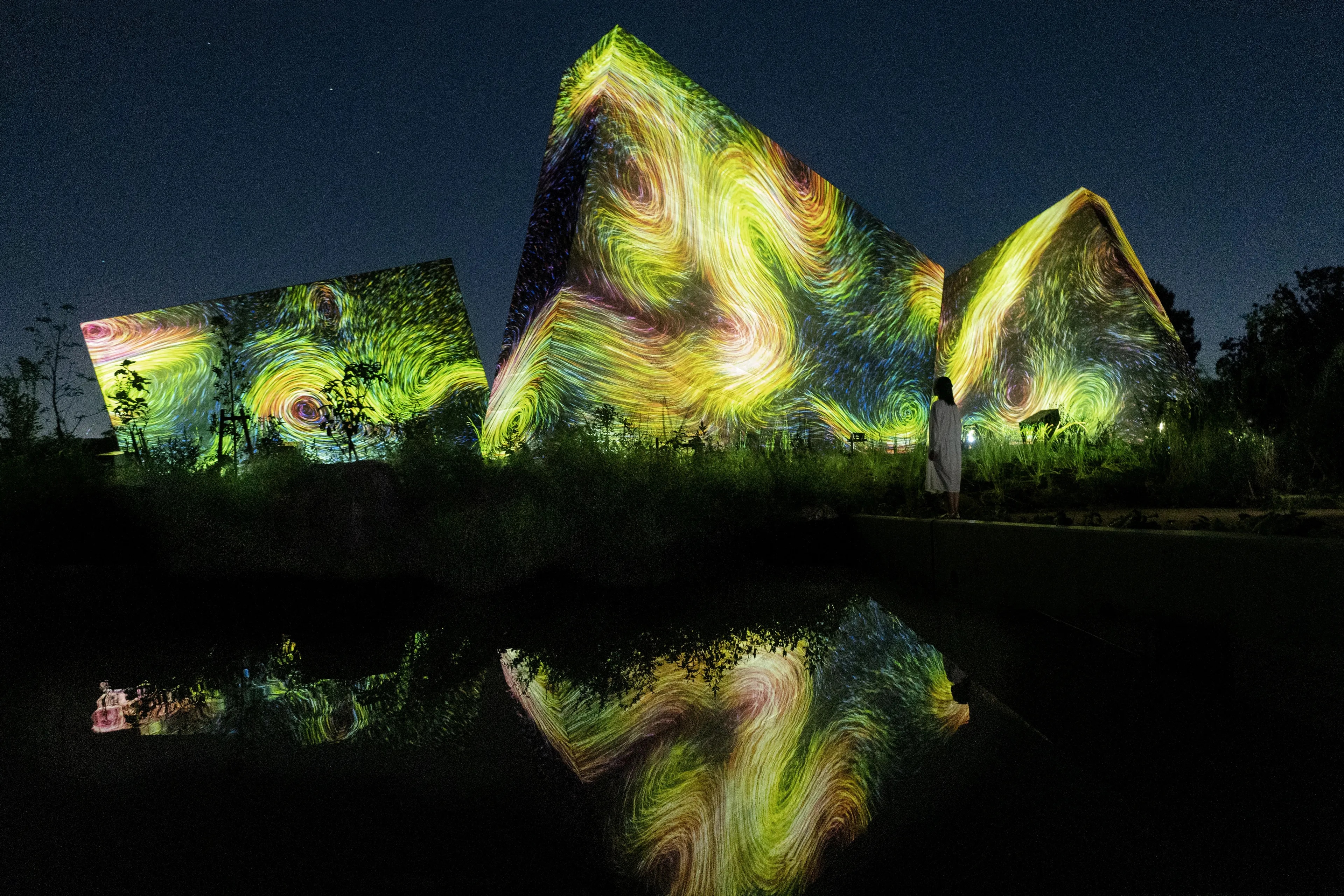
teamLab Botanical Garden Osaka

Mount Fuji Full Day Sightseeing Tour from Tokyo
Sky Hop Bus Tokyo
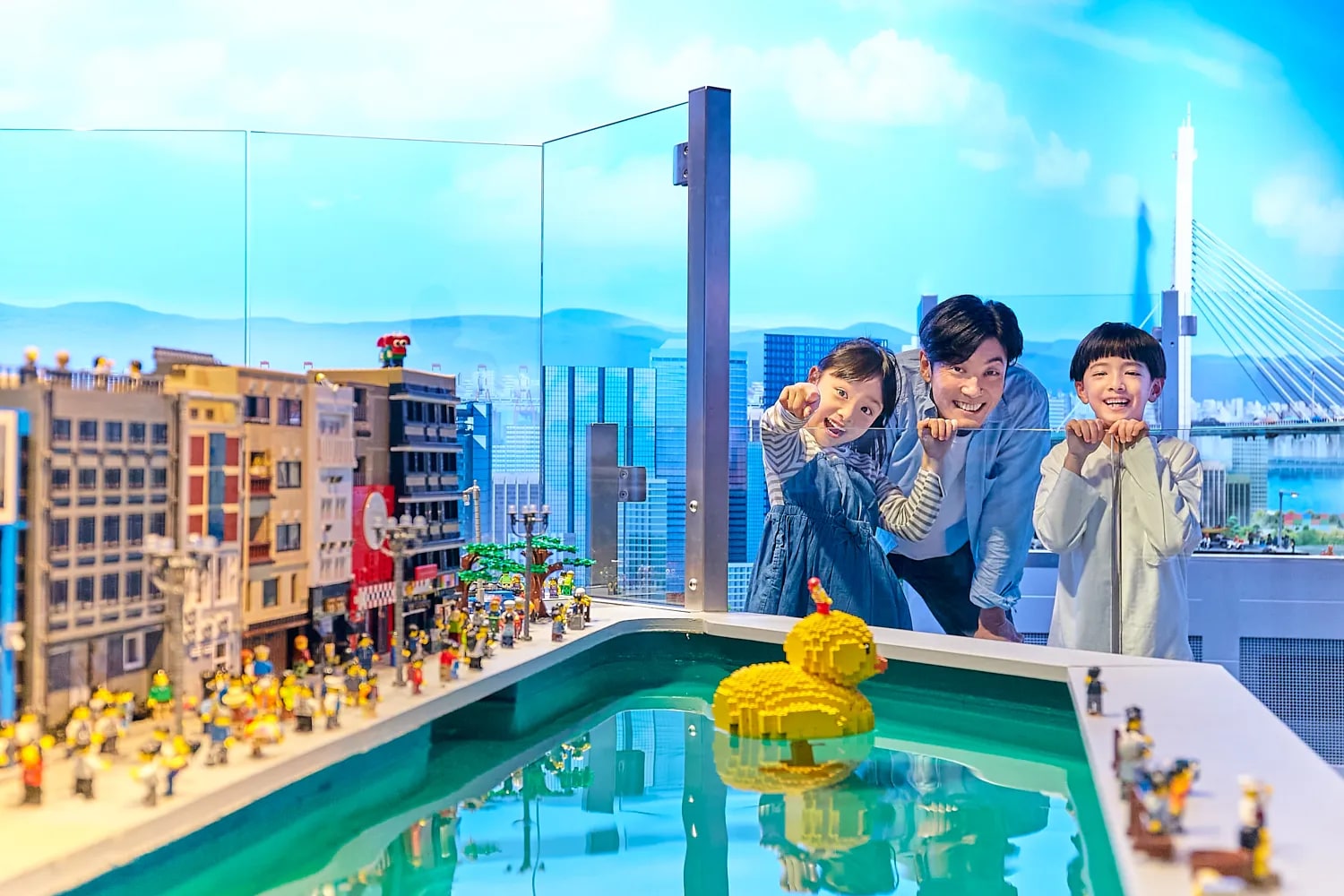
LEGOLAND Discovery Center Osaka
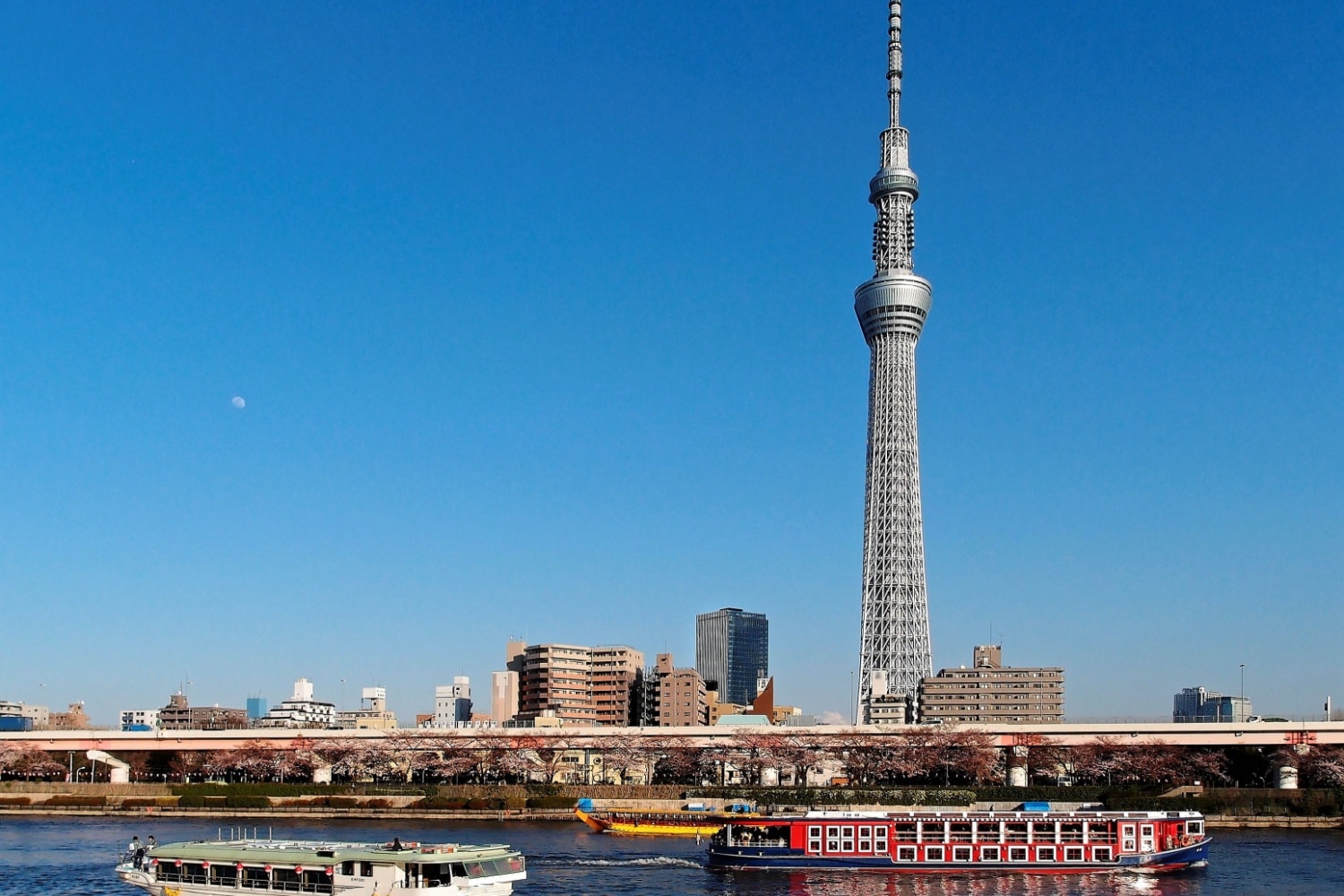
Tokyo Skytree

Madame Tussauds Tokyo Admission Ticket
Have Fun Japan Food Pass
Experience Best Things To Do In Japan
Top Skydiving Destinations To Explore
Explore More Things to Do in Various Destinations
Visit The Most Exciting Skydiving Destinations
Discover Japan Through Various Categories
Experience More Amazing Activities In Japan
Skydiving in Japan: A Blend of Culture and Scenery
Japan is known for temples, sushi, bullet trains, and neon-lit nights. But there’s another side of it most travellers never expect: the rush of throwing yourself out of a plane and freefalling above mountains, islands, and cities that look like something out of an anime backdrop. Skydiving Japan is one of those activities that hits different. The landscapes are so varied, snow peaks in Hokkaido, rice fields stretching across Honshu, coral-fringed Okinawa, and even the hazy outline of Mount Fuji when the skies are clear.
It’s not just about the fall. It’s the mix. Ancient shrines tucked into valleys below. Rivers that snake through farmland. And somewhere in the distance, a Shinkansen slides across the landscape like a silver streak. You don’t just get adrenaline, you get a bird’s-eye view of a country where tradition and modernity constantly collide.
Some of the most famous skydiving spots in Japan are scattered across regions: skydiving near Mount Fuji, Tokyo’s outskirts, Okinawa’s turquoise seas, and Hokkaido’s snowy stretches. There are also indoor skydiving centres in cities like Tokyo and Osaka, letting you taste the thrill of freefall without leaving the ground. For first-timers, couples, and seasoned jumpers, Japan delivers something different: an adventure stitched tightly to culture, food, and scenery.
Why Skydive in Japan
What makes skydiving Japan so special isn’t just the jump. It’s the canvas beneath you. Few countries pack such a variety of landscapes into a single flight path. One moment you’re staring down at neon Tokyo sprawl stretching endlessly, the next you’re floating above rice paddies so green they almost glow.
For many travellers, Mount Fuji is the crown jewel. On a clear day, the mountain rises from the landscape like it’s been sketched in ink, perfectly symmetrical and snow-capped. Freefalling with Fuji in view is something you’ll never forget, a mix of thrill and serenity that feels almost unreal.
Head south and the scene shifts. Okinawa’s water shines turquoise, its coral reefs clear even from thousands of feet up. Here, the fall feels playful, almost like you’re dropping into a giant postcard. Go north instead, and Hokkaido’s landscapes change the vibe completely. In winter, it’s snow and silence, white fields broken only by black lines of forest. In summer, it’s patchworks of lavender and farmland.
Why Japan is Unforgettable for Skydiving
When you think of skydiving Japan, it’s not just about the adrenaline. It’s about the view that opens beneath you the second you step out of the plane. Imagine drifting down with Mount Fuji rising in the distance, or the patchwork of rice fields and coastlines stretching far beyond the horizon. Japan gives you backdrops you can’t really find anywhere else, and that’s what makes it unforgettable.
In the Kanto region, the sight of Fuji against the clouds is enough to make your heart pause, even mid-freefall. In Okinawa, it’s the turquoise ocean glowing beneath you, ringed with coral reefs. And up north, Hokkaido adds a different thrill in winter, with snow-dusted mountains sparkling below as you fall through crisp, clear skies.
The experience itself feels sharp and refined, much like Japan. Drop zones are well-organised, instructors are calm and precise, and the culture of hospitality shines through even in adventure sports. You’re never just another jumper; you’re looked after, guided, and encouraged.
It’s that mix of beauty and care that lingers long after the parachute closes. Skydiving here isn’t just about chasing thrills, it’s about seeing Japan from a perspective that etches itself into memory.
Best Time to Go Skydiving in Japan
Ideal Seasons
Skydiving Japan shifts with the seasons, and that’s half the charm. Spring (March to May) is a favourite, crisp skies, sakura blooming like pink clouds below, and Mount Fuji often clear against the horizon. Summer (June to August) brings long daylight, bright greens, and coastline views that stretch forever, though the air feels heavier with humidity. Autumn (September to November) is breathtaking, with forests turning red and gold and the air cool enough to make the climb comfortable. Winter (December to February) is for the bold; Hokkaido and northern Honshu wrapped in snow look like silk from above, sharp, pure, and silent.
The Height of the Fall
Most jumps in Japan take you up to around 10,000 to 12,000 feet, giving you nearly a full minute of free-fall before the canopy opens.
Price
The starting price for skydiving Japan is around INR 17,000–20,000, depending on the drop zone and season.
Types of Skydiving Experiences in Japan
Tandem Skydiving
For most travellers, this is the starting point. You’re strapped securely to an instructor who takes care of the technical side, from body position to parachute deployment. All you have to do is breathe, let go, and enjoy the view. Tandem dives usually happen from 10,000 to 12,000 feet, giving you about half a minute of freefall before the chute opens. The rush is intense, but with a pro guiding you, it feels surprisingly smooth.
Accelerated Freefall (AFF)
If you’ve already fallen in love with the idea of skydiving and want to take the reins, AFF courses are available in a few drop zones across Japan. After detailed ground training, you jump with instructors who fly beside you but let you control your chute. It’s the step towards becoming a licensed solo jumper. The learning curve is steep, but for thrill-seekers, nothing matches the satisfaction of steering yourself down to the landing zone.
Static Line Jumps
Less common, but you may come across them in certain training centres. With a static line, your parachute opens automatically the moment you leave the plane. It’s more about experiencing the sensation of descent without the responsibility of pulling your own cord.
Indoor Skydiving in Japan
Not everyone wants to leap from thousands of feet, and that’s where indoor skydiving comes in. Facilities in Tokyo, Osaka, and a few other cities use vertical wind tunnels to simulate freefall. You put on a suit, step into the chamber, and powerful air currents lift you off the ground. It’s a strange mix of fun and awkward at first, cheeks puffing from the wind, limbs flapping until you get the hang of balance. For kids, families, or anyone curious about the sensation of floating, indoor skydiving Japan is an easy, weatherproof alternative.
Top Skydiving Spots in Japan
Skydive Fujioka
Location: Fujioka, Gunma Prefecture
- Big drop zone, surrounded by mountains and the Watarase Reservoir
- Tandem dives plus courses for those who want a licence
- Good landing fields, tidy facilities, and staff with a solid safety rep
Tokyo Skydiving Club
Location: Honda Airport, Saitama Prefecture (just outside Tokyo)
- Easiest spot to reach from Tokyo, so it’s popular with locals and tourists alike
- Tandem jumps with the option to grab photos or video
- Briefings are clear, and many instructors speak English, which helps visitors a lot
Skydive AZUL
Location: Runs jumps in Saitama, Yamanashi, and Ibaraki
- Around 12,000 feet altitude, giving you a proper freefall
- Updated gear and experienced instructors, as safety is a strong point
- They also do different jumps, including helicopter exits for a twist
Safety and Requirements for Skydiving in Japan
Age and Weight: Most centres set the minimum age at 18 years for tandem jumps. Some may allow 16 with written consent, but it’s not common. Weight limits usually hover around 100 to 105 kg, partly for safety and partly because of the gear design. You’ll get weighed before the jump, not to embarrass you, just to make sure everything works properly.
Health and Fitness: You don’t need to be an athlete, but you do need to be reasonably fit. Conditions like heart problems, severe asthma, or epilepsy can prevent participation, and some centres ask for a doctor’s note if you’re unsure. The physical strain isn’t in the freefall, it’s in the adrenaline surge, the landing impact, and sometimes the nerves beforehand.
Briefings and Gear: This is where skydiving Japan shines. Before your jump, you’ll sit through a full briefing. Instructors demonstrate posture, hand signals, and what to expect step by step. The harnesses and parachutes are spotless, checked repeatedly, and explained clearly so you know how they work. Even the small details matter, straps tightened twice, goggles adjusted until they sit just right.
Culture of Care: What stands out is the precision. Instructors bow before starting, they speak calmly, and they don’t cut corners. The atmosphere isn’t stiff though. Once the plane lifts off, the tension shifts to excitement, and you’ll probably hear laughter as much as instructions. It’s that mix, discipline and warmth, that makes skydiving Japan feel reassuring.
Insurance and Paperwork: You’ll sign waivers, of course, but many centres include basic insurance in the price. It’s worth asking exactly what’s covered, especially if you’re adding extras like video packages.
Nearby Attractions and Activities
Onsen Visits
After skydiving Japan near Mount Fuji or Nagano, slipping into a steaming hot spring feels like the perfect reward. The sulphur scent in the air, the hiss of water flowing over rocks, and the sudden silence when you sink in, it’s grounding after all that adrenaline.
Temples and Shrines
In Kyoto or Nara, history waits quietly. Wooden gates painted deep red, the smell of incense curling into the breeze, monks walking slowly between halls. The contrast with a freefall couldn’t be sharper, yet somehow it balances out.
Food Stops
Japan is food heaven, and every region has something different. After a coastal dive in Okinawa, fresh sashimi and cold Orion beer feel right. In Hokkaido, it might be steaming bowls of miso ramen or grilled corn with butter. By Fuji, it’s houtou noodles, thick and hearty, warming you after a chilly morning at altitude.
Island Hopping
If you’re in Okinawa, take a ferry or speedboat to smaller islands. Coral beaches, villages with tiled roofs, and a slower rhythm of life. It feels almost like the parachute ride again, unhurried, calm, wide open.
City Wanders
Skydiving near Tokyo? Balance the rush with something simple, an evening in Shinjuku’s back alleys, lanterns glowing red and gold, the smell of yakitori and soy drifting from tiny stalls. The city hums, and you melt into its rhythm.
Tips for Skydiving in Japan
- Dress smart, not heavy. Thin layers are best. It’s colder up high, but bulky clothes make the harness uncomfortable.
- Shoes matter. Trainers or snug sneakers work well. Slip-ons or sandals will fly off the moment you do.
- Eat light. A small breakfast or snack is fine. A heavy meal before a freefall is a mistake you don’t want to test.
- Stay hydrated, not tipsy. Avoid alcohol the night before. Water is your friend.
- Listen during briefing. It may feel repetitive, but posture in freefall makes all the difference.
Travel Tips
- Getting There: Most international flights land in Tokyo (Narita or Haneda) or Osaka (Kansai). From there, trains or domestic flights connect you to drop zones. For Okinawa or Hokkaido, expect short internal flights.
- Weather Buffers: Japan’s weather is unpredictable, especially in monsoon season (June–July) or deep winter. Always plan a buffer day in case your jump gets rescheduled.
- Accommodation: If you’re skydiving near Fuji or Nagano, local guesthouses and ryokan add charm, tatami mats, futons, and maybe an onsen bath to ease sore muscles. In Okinawa, beachside resorts let you roll out of bed straight into tropical blue.
- Transport: Trains are your best friend, but drop zones in rural areas might need a bus or taxi. Check routes in advance so you don’t miss your slot. Renting a car is handy for Hokkaido or countryside regions.
- Language: Instructors usually speak English, but in smaller towns, not everyone does. A translation app helps, but so does patience and a smile. The Japanese are generous with gestures when words don’t line up.